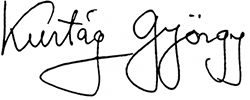
Recollections of the teaching of György Kurtág
How did you come into contact with György Kurtág? When did you work together, when did he teach you?
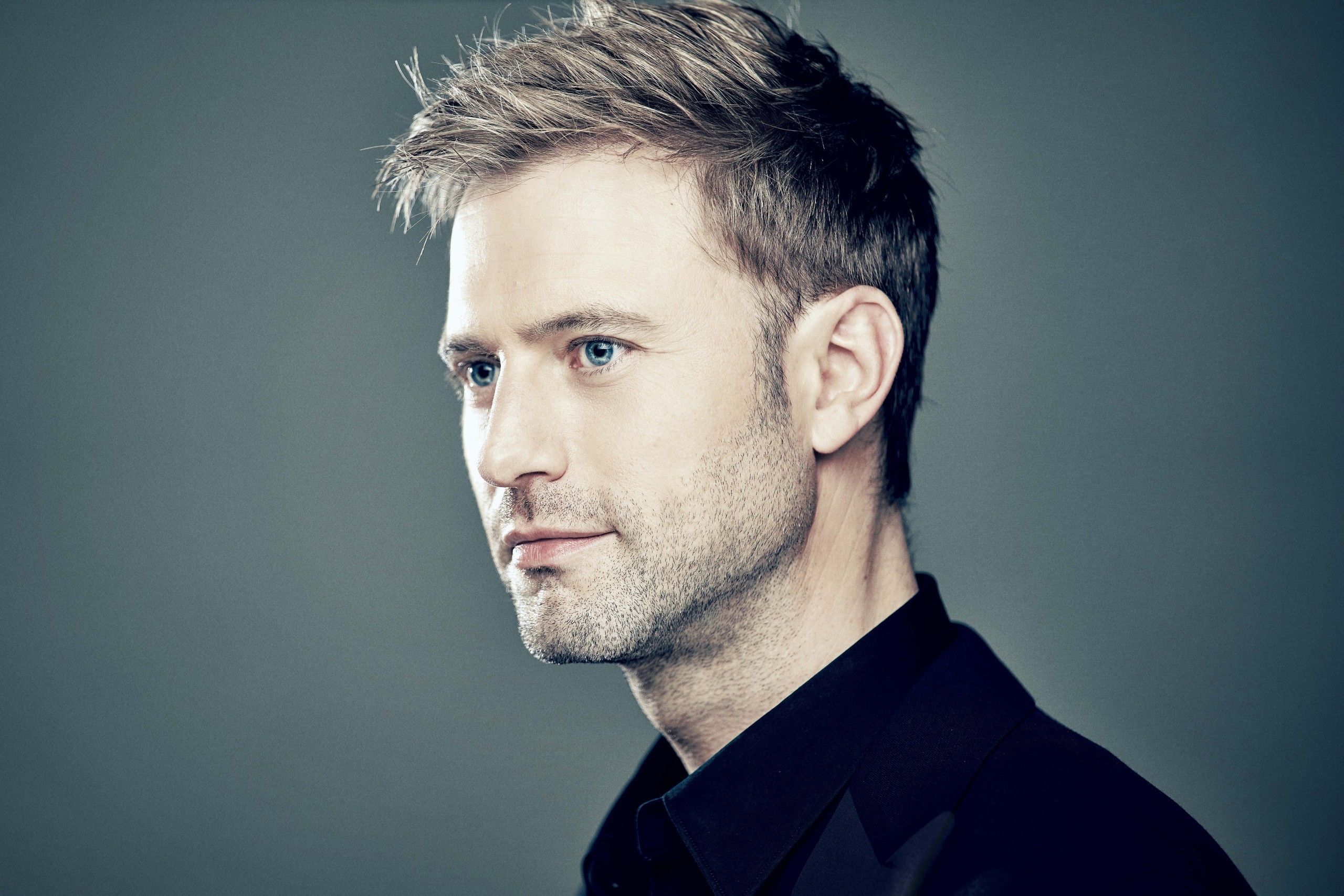
I was contacted by the Konzerthaus Dortmund in 2018, as they planned a festival to honor the great Hungarian composer György Kurtág in 2020. His personal request was to have his Hölderlin Gesänge performed as part of that celebration and in order to meet Kurtág’s high standards (which he expects both of himself and others), various singers were suggested to him over several months to sing these special songs. He finally decided on me.
I had already heard that Kurtág’s extremely detailed and intense way of working had driven many musicians to despair. He always expects that performers approach his music critically and that they apply themselves in such a way, that their performances are delivered to the very highest standards within each artist’s abilities.
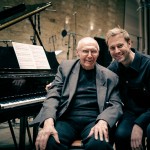
The preparations for our first collaboration were long, and the demands from the music were high: the vocal range, the tonal line and, not least, the difficult-to-understand texts. It was with these weighty considerations that I met the composer and his wife, Márta, on 7 May 2019 at the Budapest Music Centre, full of nerves. Removed and shielded from today’s fast-moving music industry, Kurtág lives at the centre itself, in a small apartment which he has hardly left for years. Without losing any time, I was asked to perform the six mostly unaccompanied songs. Kurtág’s wife ended the long, thoughtful silence that followed with a short remark in Hungarian. He then looked me in the eyes and said: ‘Márta says you are our person.’
What does György Kurtág’s art and teaching mean to you and how has it influenced your career and thinking?
Kurtág opened up new worlds to me: he taught me to redefine myself as a musician and interpreter, to question entrenched views about God, music and the world. To search and to avoid hasty decisions, Kurtág gave me tools that make it easier to formulate questions differently, or even ask different questions that always expand the spectrum of possible answers.
If you can, please recall a memorable situation and how he taught certain musical works and what you learned from him during your collaboration!
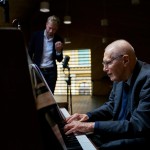
There are so many… I think most of them are also captured on the video material with Mr. Kurtág.
Do you have a characteristic, memorable, instructive or funny story about your joint work that you would like to share?
‘You will suffer a lot’ said Kurtág to me on May 7 2019, at the beginning of our collaboration. Even though the path was often hard and I frequently questioned many existential matters during the process, over the years I developed a wonderful friendship with a man who is almost sixty years my senior. To this day, my desire to perfect the Hölderlin Gesänge is not yet satisfied and will remain my life’s work. Kurtág and I often work for hours on a single bar, and he often interrupts when I breathe in before singing even a single note. The highest demands are expected of my concentration and of my own intellectual understanding, regularly taken to the point of complete mental and physical exhaustion. While I have to repeatedly request breaks, the composer, now over ninety years old, seems to have infinite reserves of energy and unrelenting creative vision.